To read about the first part of my trip, click here.
After leaving on Jos, Nigeria, our next stop was Galmi, Niger! We flew through Togo and Burkina Faso on the way to Niger's capital city of Niamey where we stayed overnight at the SIM guesthouse. One of my friends from college has an older sister who is a missionary in Niger with her family, so we were able to reconnect with them and have dinner at their home.
Getting ready to board the ASKY plane in Abuja, Nigeria
The brand new terminal in Lomé, Togo. It's so different than when we were last here in 2011!
The next day (Saturday) was rainy, but it turned out to be a perfect day for flying! Ian, the SIMAir pilot took us back to the airport where he filed his flight plan, then we went out to the SIMAir hangar. Instead of driving 7 hours to Galmi, took a 2.5 hr ride in a 4-seater plane from the Niamey airport directly to the dirt runway at the SIM hospital! I enjoyed looking out the window and taking photos while Dad had fun talking on the headset with Ian, our pilot.
That's the ASKY plane we came in on the night before!
"...Mike Romeo cleared for takeoff"
N-1, the only main East-West road in Niger
It's "rainy season" now, so everything is green!
I shot this 7-minute video of our final descent and landing at Galmi. At the 3:50 minute mark you can see the entire hospital and town laid out along the N-1 road.
We were met by a welcoming committee of missionaries, their children, and a few "missionary dogs!" SIMAir regularly flies in and out of Galmi bringing supplies, mail, and short term missionaries, so everyone looks forward to watching the plane come in!
Saturday afternoon we had lunch with Deb and her husband James, and then met Heidi, the pilot's daughter who is interested in pursuing therapy after highschool and had come to shadow Deb for a few days. I had met Deb at the Global Missions Health Conference last November, so it was fun to see her again! She took us on a tour of the whole hospital and then showed us the therapy clinic. I loved seeing the anatomy charts, stationary bike, gym balls, and the closet full of pediatric therapy toys that are found in any therapy clinic around the world!
A few of the nurses
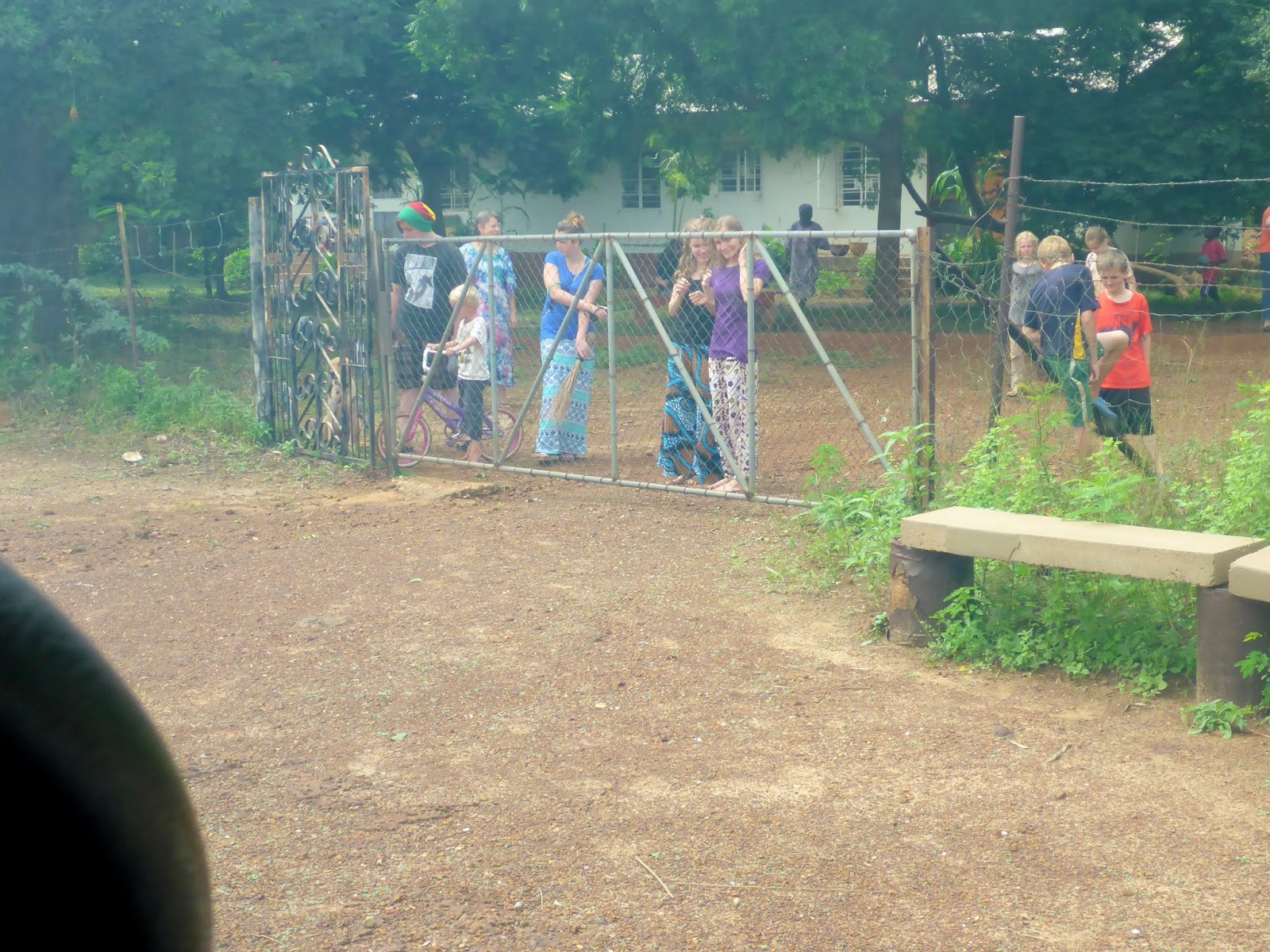
The front gate of the hospital
I've seen some creative ways of storing therapy balls before, but I think using basketball hoops is the best one yet!
I think every occupational therapist has a fun closet of goodies like bubbles, puzzles, and toy cars!
"Le squelette humain" (the human skeleton) chart
When Deb arrived a few years ago, she was given this notebook as she was the first therapist at Galmi in almost 30 years! This notebook contains locations of therapy supplies, suggestions for making adaptive equipment, and names of hospital staff that had some therapy training.
I also met Lisa, a family medicine physician who is serving at Galmi for a couple of weeks. Turns out we're both alumnae from UT Southwestern Medical Center!
Lisa and me
Saturday night we joined with the rest of the missionary community for dinner at Picnic Rocks, a place just a mile or so out of town where you can get a great view of the surrounding area. We had dinner with a family originally from Singapore, so we laughed about things we miss in Singapore and even slipped back into "Singlish." Once the sun went down, we enjoyed stargazing before heading back to the compound.
The view from Picnic Rocks of the N-1 road and the Galmi Reservoir
Chicken rice with our new Singaporean friends!
Sunset over Galmi
On Sunday, we went to church with Steven and Carol, the directors at Galmi hospital. The service was nearly four hours long, in a mix of French and Hausa. I could follow along with a few of the hymns that were in my Hausa hymnal and switched back and forth between Hausa and English Bibles during the sermon.
Visitor introductions at church. I finally got to wear the dress I had made in Togo again!
A Hausa hymnal ("Allah" is their name for God, not the Islamic Allah)
In an African church, men sit on one side and women on the other
Monday and Tuesday I went with Deb to the therapy clinic. Deb is an American-trained occupational therapist, but has picked up quite a lot of physical therapy skills by necessity. She has also trained one of the nurses in some therapy skills, so he sees patients on the hospital wards while Deb works mostly in the clinic. I was able to assist Deb with a few therapy evaluations, tried to mime and gesture my way through teaching an adult how to use crutches, and we worked together on a few toddlers with developmental delay.
"Eye Care in Developing Countries" and "The Handbook of Tropical Medicine" anyone?
Monday afternoon is when the clinic does its weekly club foot clinic. There they use the Ponsetti method of serial casting to correct the position of the foot while the baby is still young. It's something that can be quite effective if started early enough and if the mama will bring her baby back each week for a new cast, then be compliant with the adaptive shoes during "naps and nights" until the child is walking. It's always hard to pin down a squirming baby in order to correctly wrap their entire leg in a plaster cast—good thing plaster hardens quickly!
Heidi mastered the art of distraction that's so crucial to getting a good plaster cast!
Isn't she precious!
After we were done in the clinic for the day, Deb took us to the market in Galmi, as well as on a few of the dirt roads to visit some of her former patients. We stopped by to talk with some of the older retired men in Galmi and Dad asked for a picture with all of them; I think he could fit right in with these men and solve world hunger over a cup of tea!
Yes, they really do have camels here!
On the way back to the hospital compound, Deb helped us buy a chicken fresh off the grill for 2500cfa (or about $5 USD) as well as some oranges (which have a green peel) and these amazing fried cakes that are made out of bean flour (what Nigeriens call beans we would call black eyed peas).
Tuesday morning started off quite slow, so we did a bit of organization in the therapy clinic. For those of you who have been around therapy clinics, you know there's always that one supply room that's crammed full of stuff that you might need one day!
Deb has been given a number of adaptive shoes for club feet, compression garments for burns, and supplies for making her own splints and slings, and she showed us some of the locally made adaptive shoes and splints. Last year she'd taken a lace-up cast shoe (worn to protect the plaster on the sole of the cast from breaking down while walking on it) to a local shoemaker to see if he could replicate it. He said, "No problem! I make shoes like that all the time for camel hooves!"
I enjoyed playing with a five year-old boy who was in the hospital to get a skin release following some severe burns. It was fun to see him smile when the matchbox cars came out! Deb shared with me that toy cars are a hit with both boys and girls; girls are so used to being around real babies that dolls that don't move and cry can be confusing and even scary!
About 30 minutes before the clinic was to close for lunch and midday rest, six patients showed up! I did an eval on a teenage girl and decided she needed a referral for a hip x-ray, we did some therapy for a young toddler who still isn't sitting up, and set up some patients to come back later in the week.
After midday break, Deb and I decided the rain looked like it would hold off long enough for her to take me on a walk through the millet fields out behind the hospital to visit a couple villages. We set off with our cameras and water bottles and traipsed through flooded fields and along muddy cow paths to see what life as a Nigerien farmer looks like.
The ladies were careful to tell us where to step as we crossed the stream!
Some village children who were excited to have their photo taken!
These mud storage buildings with thatch roofs are designed for millet storage
We followed these guys and their cart of onions back to town
Galmi is well-known for its purple onions. (You can even buy Galmi onion seeds here!). Farmers plant millet, beans, and onions for their own use, then plant onions to sell for profit to wholesalers. Local children will use dried grasses to weave basket structures which will later be stitched onto the top of the sack. Eventually, the sacks will be piled high onto trucks to be taken to Nigeria or wherever they'll eventually be sold to the consumer.
Sacks of onions piled up, waiting to be sold
A stack of woven sack tops
Onions are stored in thatch structures like this. They're elevated off the ground by rocks so that air can circulate and prevent the onions from rotting.
Onions headed off to market
How would you like to stack this truck of onion sacks by hand?
While Deb and I were traipsing around the millet fields of Niger and saving the world one therapy patient at a time, Dad was spending time with the leadership team of the hospital. What started off as a conversation with the director over Sunday lunch turned into two days of meetings! Dad was able to use his executive coaching and strategic planning skills to facilitate some discussions regarding the hospital's mission and vision. He and I were both praying we'd be able to encourage the staff at each place we went, and this was one way God answered our prayers!
Wednesday Dad and I hitched a ride with a missionary family back to the SIM hospital in Danja, Niger which is about three hours away. However, we were strictly told, "You can't leave before cinnamon buns!" This Wednesday morning tradition is a gathering time for all the missionaries, and they were sure to set aside a few buns for Ian and those coming in on the SIMAir flight!
We watched the plane take off, said goodbye to all of our new friends at Galmi, and then it was time to pile into the car for the drive to Danja!
Deb and me
Dad and Steven, the director at Galmi
And just to show that Dad and I were still having fun...
"Hey Dad, we've got to make funny faces with our orange slices!"
The first stop on our trip was to Nigeria. I had heard quite a bit about the SIM hospital in Jos, so I was excited to see it firsthand!
Dad and I left the US early early Saturday morning, had quick layovers in Toronto, Canada and Addis Ababa, Ethiopia. We arrived into Abuja, Nigeria where an SIM driver met us. We then drove about 5 hours to the city of Jos and got settled into the guesthouse.
Currently Nigeria is in the rainy season, so it rained at least once every day and everything was very green! Jos is also in the Plateau state, so it stays a bit cooler than the rest of the country. Highs were in the low 90s the whole week we were there!
Leaving Abuja
The road from Abuja to Jos
Driving up the pass to the Plateau state
Fields of groundnuts (peanuts)
Our first view of Jos
The guesthouse on one of the SIM residential compounds in Jos
Everything is so green!
On Monday, Dad and I went to the Bingham University Teaching Hospital (formerly Evangel Hospital) and toured the facility. We met Dr. Shephard who showed us around the Evangel VVF Center and we went on rounds of the VVF ward with him.
The entrance to the hospital
The operating room in the VVF hospital
Talking through interesting cases in Dr. Shephard's office
The Lewis Wall VVF Hostel (formerly used as a hostel for pre- and post-op women, now used for the clinic exam room, offices, and the new OR)
The Arrowsmith VVF Clinic, named for Dr. Steve Arrowsmith who founded the VVF hospital nearly 25 years ago. This is currently where women wait on clinic day
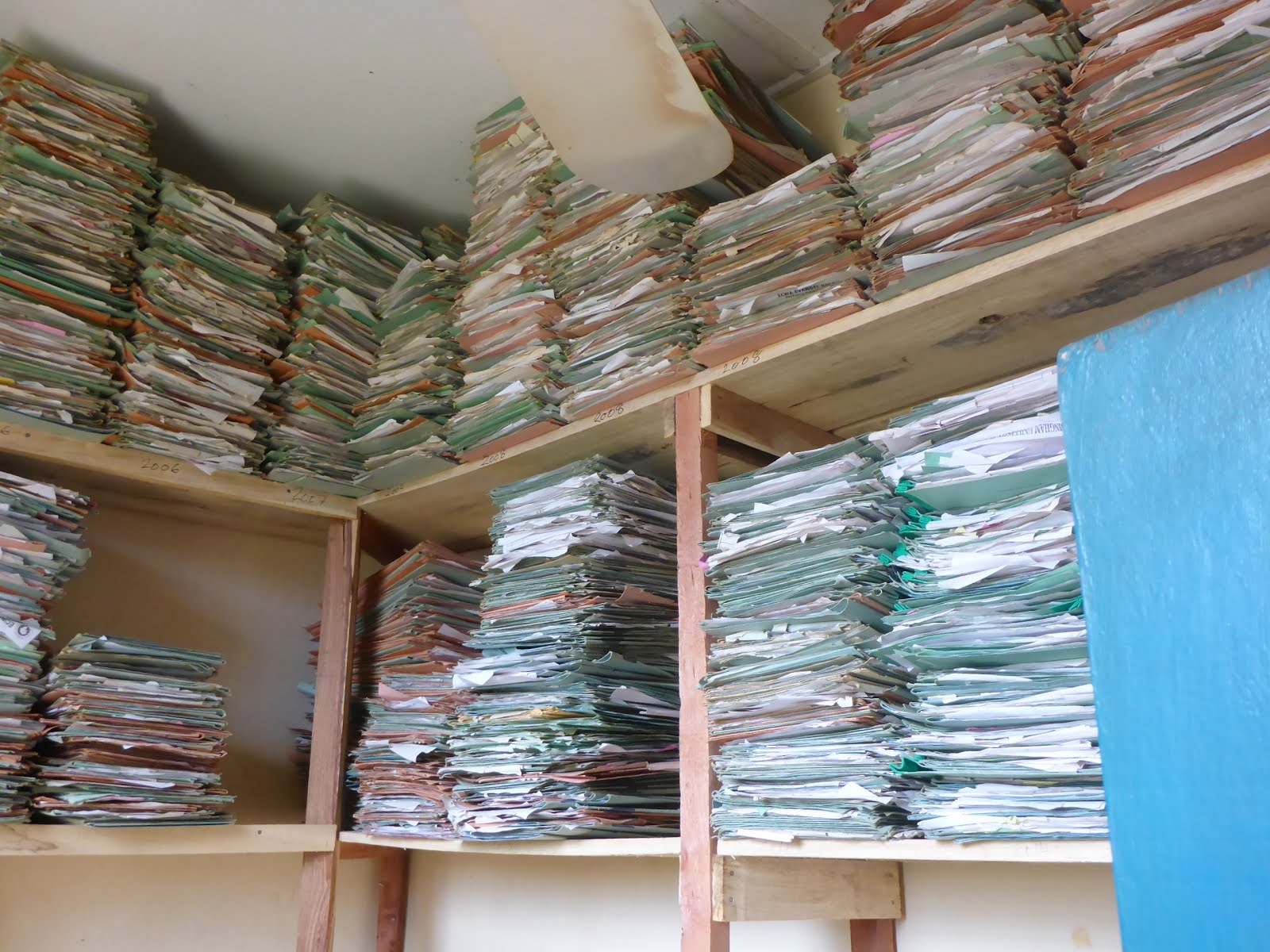
The records room--there's an amazing wealth of information on fistula just waiting to be published!
Outside the PT department for the Bingham University Teaching Hospital
Monday afternoon we went to the SIM office. We met the field director who shared about SIM's vision for Nigeria. We also learned about the other SIM ministries in Jos besides the hospital, and we chatted with the personnel director about what life would be like in Jos, should I decide to serve there.
That evening we had dinner with the director and his wife. Throughout the trip, we had meals in missionaries' homes; it was fun to hear their stories and it helped me imagine what life would be like.
On Tuesday, I was in the VVF clinic with Dr. Shephard and a OBG/GYN resident. They saw about 15 new ladies with urinary leakage, as well as examined a few patients from the ward who'd undergone previous repairs unsuccessfully. At that point Dr. Shephard set the surgery schedule for Thursday (and sometimes surgeries run into Friday, in the busy season).
The screening room
While waiting in clinic, the women can watch the Jesus Film. The hope is to also include other Biblical presentations in Hausa as well as short video clips about fistula, safe childbirth, basic sanitation, and other health topics
A sign in the clinic reminding women that labor should not last more than 12 hours
Lunch at the Shephards' house with Matt, a med student from Alabama
Tuesday night we had dinner with Gay Lynn, an occupational therapist from Texas who's been working in Jos for several years. She's been working with designing compression garments for patients with burns. She showed us around the multi-family apartment building where most of the short term and single missionaries stay, and she also cooked a delicious meal of tacos for us! (Complete with taco shells left by another missionary!)
Gay Lynn and me
Wednesday morning one of the SIM office assistants took Dad and me to the local market. We were on a mission to buy cute African fabric for mom and me--and we found three different pieces of beautiful fabric!
Kangyang helping me pick out fabric
Dad and I had lunch with Dr. Shephard and Dr. Lengman, the other VVF surgeon there. We chatted about the upcoming conference of fistula surgeons, some research studies they'd like to do, and their plans for the upcoming year.
Wednesday afternoon Nikki took us to visit the girls' transitional home on the outskirts of Jos. Here, 18 beautiful young women aged 14+ live together with a house parent. Currently, they're on school holiday, but were busy farming and making small crafts to raise money for the next year of school fees. You can read more about the program here.
Nikki and the girls showing me their garden plots
The girls' home
It's easy to make friends anywhere!
I enjoyed seeing each girl's garden plot and watching them make beaded keychains. We were so blessed when they decided to sing for us! YOU HAVE TO LISTEN TO THESE VIDEOS!
Song #1
Song #2
Song #3
Song #4
On Thursday morning I was in the operating room with Dr. Shephard and Dr. Lengman. I got to see two EUAs (examination under anesthesia) and two VVF repairs.
This is the door to the OR of the main hospital--the VVF center OR is not up and running yet
There are two operating rooms on the left, the recovery/PACU area is on the right, and the instrument sterilization/scrub station is behind the wooden partition in the middle of the photo
Dr. Shephard performing a VVF repair
Medical students observing in an emergency Cesarean section in the next operating room
Then it was time to get back in the car and drive to Abuja! We stayed overnight at a Catholic Convent/Guest House—which was also hosting a conference for the Navigators organization—and then went to the airport the next day.
There are always goats, sheep, or cows walking along the road. Here, the young boys are often in charge of the animals
This church is nearly finished. Much of the construction in Nigeria is done with cement cinder blocks
It is potato season! In small villages, the women will be selling their crops alongside the road.
I had a really lovely time in Jos! We met wonderful people and had many informative conversations, all while enjoying the beautiful country!
A lot has happened in the last two months and I'm slowly checking items off of the "pre-field training track" that I have from SIM.
The biggest thing is that my dad and I went on a trip to check out three different SIM hospitals in Nigeria and Niger so that I could meet the staff, see the hospital locations, and discuss the administration's dreams for their ministry. I'll be writing more about the trip over the next few posts, but I have selected a location and now I'm finalizing paperwork to make it official!
I've finished revisions on the patient case study required to earn my Certificate of Achievement in Pelvic Physical Therapy and now I'm awaiting the committee's final decision! Soon I'll start writing the case study to earn the other certificate in pregnancy and postpartum PT.
I've had a bit of trouble finding language courses or books in Hausa, the local language of the people in Nigeria and Niger. I've found one computer course on the basics of the language, but I'm discovering that I'll definitely have to spend a few months with a language helper once I arrive on the mission field! In a few months I'll attend a course on language acquisition skills that will help me successfully find a language helper and will teach me tips and tricks to learn a language as an adult.
I've also been reading quite a few interesting books... all of which have been good!
What's So Amazing About Grace? by Philip Yancey
What Missionaries Need to Know About Burnout and Depression by Esther Schubert
Kisses from Katie by Katie Davis
The Boy who Harnessed the Wind by William Kamkwamba and Bryan Mealer






 What's So Amazing About Grace? by Philip Yancey
 What Missionaries Need to Know About Burnout and Depression by Esther Schubert
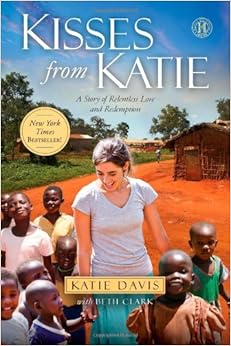 Kisses from Katie by Katie Davis
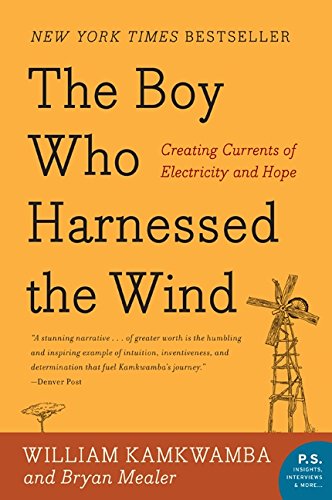 The Boy who Harnessed the Wind by William Kamkwamba and Bryan Mealer
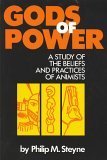 Gods of Power by Philip Steyne
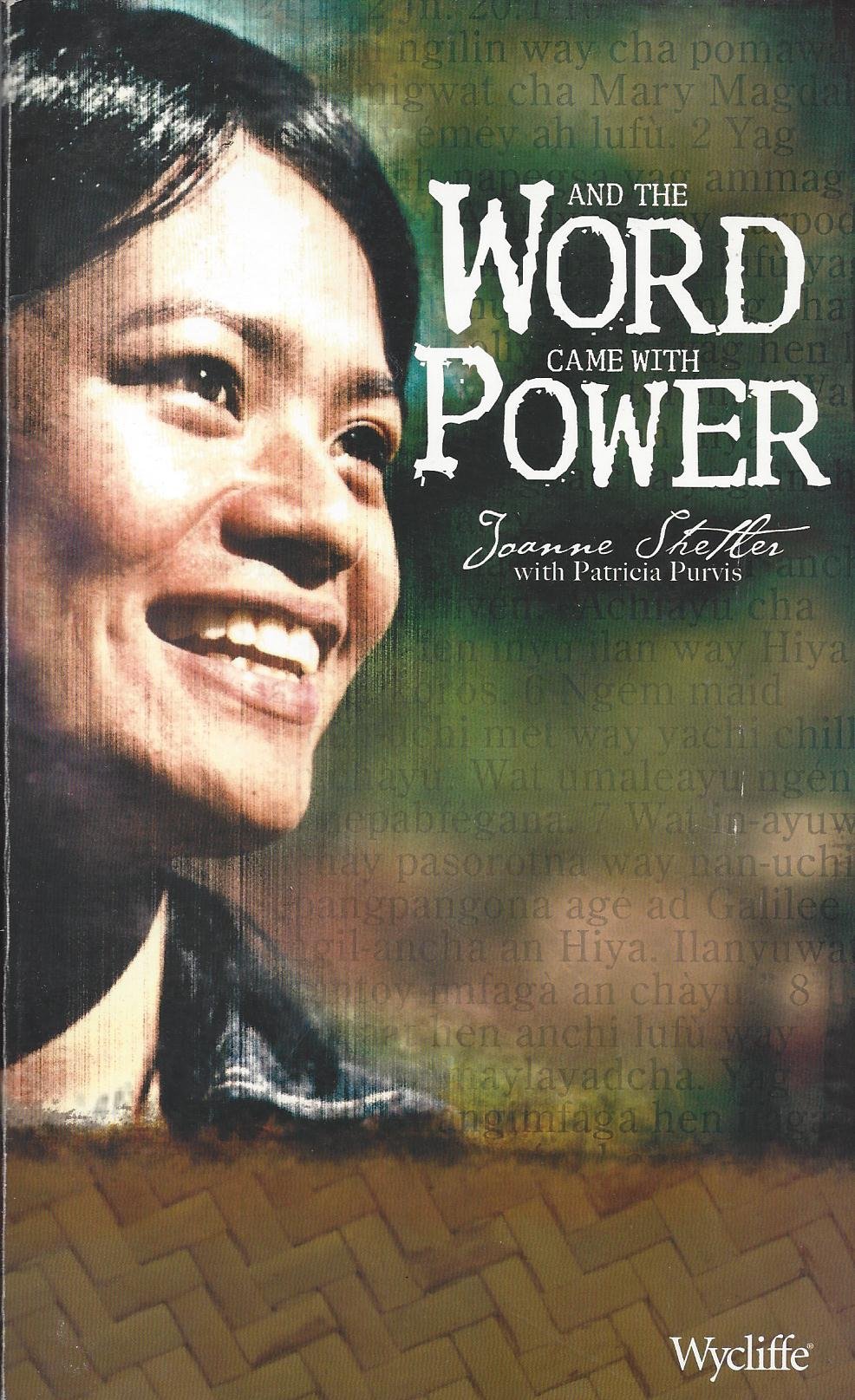 And the Word Came with Power by Joanne Shetler

